
The CEO Shadow Board: Why Top-Tier Leaders Never Make Decisions Alone

Leadership often feels unexpectedly isolated. Out there, chief executives seem to call all the shots. Strategy bends to their vision, company values echo their choices, yet what they rarely show is how lonely it gets at the top. Talk freely? Not so much once titles grow heavier. The climb brings power – also silence. Fewer voices stay honest when rank looms large. Big choices bring big results. One smart step might shift profits, shake how investors feel, or change where a company stands years later. When it hits that point, seasoned leaders know: banking solely on personal insight? That’s playing with fire. Most high-level leaders gather in a group known as a “CEO Shadow Board.” Not a formal board or company panel. This is a close network of experienced people who test thinking, bring fresh angles, their role kicks in just before big choices take shape. At the top levels in Dubai and the UAE, more leaders are turning to small gatherings of fellow CEOs and private circles. Not meetings run by consultants, but conversations among those who’ve faced similar pressures. What they gain isn’t strategy templates or flashy frameworks – it’s something rarer up there: real talk from people who’ve been in the room. When choices carry heavy consequences, a single insight from someone who’s lived it can shift everything. Distance grows between peers as titles rise, making these moments even more critical. Why CEOs Need a Shadow Board The leader of a company gets new responsibilities which differ from their previous responsibilities. Most professionals start their careers by working in teams which provide them with both feedback and guidance. Executives who reach higher levels of leadership experience a decrease in the number of people who can challenge their thoughts. Employees may hesitate to question leadership decisions. Board members meet only for their scheduled meetings. Advisors usually do not possess knowledge about the daily activities of the organization. The result is a leadership gap that few people talk about: strategic isolation. The isolation creates challenges during the process of making critical decisions. The best executives develop blind spots which remain hidden from their view. Major strategic decisions become affected by hidden blind spots which exist without external verification. A CEO Shadow Board helps solve this problem by creating a group of experienced peers who provide candid feedback and informed perspective. The peers do not work for the organization. The peers do not share any common interests with one another. They are fellow leaders who understand the pressures of executive leadership and are able to discuss complex decisions with clarity and honesty. High-Stakes Decisions Require Multiple Perspectives The contemporary business world operates at a rapid pace. Companies must adjust their operations because markets undergo immediate changes and technological advancements occur at a fast pace while international rivals create new competitive challenges. CEOs need to make decisions about growing their businesses through mergers and acquisitions or business restructuring or changing their strategic direction. The decisions which executives make at their organization face unknown outcomes. Research on executive decision making consistently shows that leaders who rely on diverse perspectives make stronger strategic choices. The decision-making process reaches higher accuracy when decision-makers evaluate multiple perspectives from experienced professionals. This situation applies mainly to organizations that face expansion efforts or handle complex business environments such as the UAE market. A CEO who surrounds themselves with a trusted group of peers gains access to a range of insights that would otherwise be unavailable. Executives evaluate their decision-making process by testing their ideas within a group of experienced leaders who understand how to handle similar obstacles. The structured CEO peer groups in the UAE area provide exceptional value to organizations which need to pursue business growth. The Rise of CEO Peer Groups in the UAE Dubai and the entire United Arab Emirates have transformed into one of the most active business centers in the world. The region supports a unique business environment that enables entrepreneurs and investors and executives from different countries to work together which creates new business possibilities. The process of rapid growth creates challenging situations for organizations. Middle Eastern companies which expand into European and Asian markets must engage in strategic decision-making which demands efficient executive leadership. Executives now prefer structured settings which enable them to interact with fellow executives who hold equivalent positions. CEO peer groups have gained popularity among business leaders who operate in the United Arab Emirates. Peer groups establish their foundation through confidentiality and trust which distinguishes them from conventional networking events. Members of the group gather on a regular basis to address actual challenges which leaders face together with their long-term objectives and essential choices. The public business forums do not provide the opportunities to discover valuable insights which emerge during these discussions. The peer group functions as an external strategic council for many CEOs. Understanding the CEO Shadow Board Concept A Shadow Board is not about replacing leadership authority. The CEO still makes the final decision. The concept requires executives to develop their thinking abilities before they make their decisions. A CEO establishes a major strategic direction through three activities which include entering a new international market and restructuring a leadership team and launching a high-risk initiative. The CEO presents the situation to their peers before they decide to proceed. Members of the trusted circle ask questions while they identify risks and share their personal experiences. The discussion sometimes confirms the CEO’s strategic plan but it also shows new chances and dangers which were not seen before. The process changes decision making from an individual activity into a united strategic discussion. Executives who manage complex organizations will achieve better results when they gain this level of understanding. The Role of Elite Executive Coaching Executives need structured leadership development programs according to chief executive officers who value peer feedback. Executive coaching services provide essential support to organizations through their professional training process. The executive coaching process enables leaders to develop their decision-making skills through improved mental models. Coaches assist executives in recognizing their cognitive biases while they build their strategic thinking skills and leadership behaviors which promote sustained success. The combination of coaching and peer advisory groups creates an effective environment for personal development. The coach delivers both organized support and methods for developing leadership skills. The peer group delivers actual workplace knowledge
Beyond the Solopreneur: Why Every Founder Needs a Strategic Brain Trust

Across Dubai and the UAE, many founders reach the same conclusion: scaling a business requires more than individual effort. It needs perspective, accountability, and access to people who have faced similar challenges. This is exactly why an Entrepreneur’s Mastermind has become such a powerful tool for founders who want real growth. At Oxygen Mastermind, we often meet entrepreneurs who have built successful businesses on their own, but get stuck when it comes to reaching higher levels. Rarely is the problem motivation; More often than not, it’s not motivation but isolation. And isolation is the enemy of strategic growth. The Reality of the Solopreneur Ceiling In the beginning, solopreneurs move quickly because there are no committees, no long decision processes, and no external pressure. You test ideas. You pivot fast. You make things happen. At some point, things shift. The business gets bigger, the to-do list explodes, and suddenly, every choice feels tangled up with five others. The founder isn’t just running the show anymore – they’re leading the team, figuring out marketing, hiring new people, crunching numbers, and keeping clients happy, all at the same time. That’s when everything starts to drag. Lots of founders talk about hitting a wall they can’t quite see. Revenue just stalls. Every new opportunity feels murky, and decisions get heavier, like you’re carrying extra weight with every step. This is called the solopreneur ceiling. It doesn’t happen because you’re not good enough. It happens because you can only see so much on your own. Even the sharpest founders can’t catch every detail by themselves. Why Entrepreneurs Need Other Entrepreneurs Most top founders do not work alone. Check fast-growing startups across regions – patterns show up. Almost always, strong support circles shape major choices. Friends, guides, experienced voices – they quietly steer direction. Here’s what makes an Entrepreneur’s Mastermind click. Picture a tight-knit gathering of founders swapping hard-won lessons, pushing one another’s ideas through tough questions, then working out actual business hurdles together. The conversations go deeper than traditional networking. Instead of exchanging surface-level introductions, members discuss things like: For someone trying to accelerate strategic business growth, this kind of environment is invaluable. You’re not just getting advice. You’re gaining access to collective entrepreneurial experience. Founder Networking in Dubai Is Evolving Dubai’s business scene isn’t what it used to be. In just ten years, the city turned into a global hotspot for entrepreneurs. You see tech startups everywhere, consulting firms popping up, creative agencies doing their thing, and e-commerce brands growing fast. Service businesses? They’re everywhere, too. With all this energy, connecting with other founders in Dubai matters more than ever. Still, there’s a big difference between just “networking” and actually building real relationships. Most networking events feel the same: lots of quick introductions, some business card swapping, and then everyone moves on. Mastermind groups take a different approach. They’re all about building relationships that last, not just quick chats. People stick around, get to know each other, and build trust. That trust opens the door for honest feedback and sharing real business struggles. And honestly, that’s where the magic happens for entrepreneurs looking to grow; these mastermind groups give you the kind of connection you can’t find at a typical networking event. The Moment Every Founder Must Face At some point, every entrepreneur faces the same uncomfortable question: “Am I still building this business the way I did in year one?” If the answer is yes, that’s usually a problem. When a company starts to grow, everything changes. Founders can’t keep doing everything by themselves – they need to build teams, set up systems, and start thinking strategically. That leap, moving from hands-on operator to big-picture strategist, isn’t easy to pull off on your own. Scaling a Business Requires Better Decisions People don’t talk enough about how mastermind groups actually boost the quality of your decisions. Entrepreneurs face a ton of big choices every month, hiring new leaders, breaking into new markets, reorganizing teams, launching fresh products, or just knowing when to walk away from something. If you’re running the show alone, every call you make comes from your own head. But once you’re in a mastermind with other founders, everything changes. Suddenly, you’ve got a room full of smart people poking holes in your ideas before you act on them. They ask the questions you probably missed. Sometimes, those questions save you from expensive screw-ups. Other times, someone points out a golden opportunity you just didn’t see. Keep showing up, and your thinking gets sharper. You lead better. And yeah, when you’re building something big, making smarter decisions over and over, those wins start to add up fast. Accountability Changes Everything Plenty of founders understand how growth works. Yet staying on track trips them up more than anything else. Running everything alone means long-term thinking often drowns in daily chaos. Big moves fade into background noise when urgent tasks take center stage. Here’s when mastermind circles show up. These gatherings offer what solo effort misses – actual responsibility. Each person names their targets, then shares progress with others. Now there are faces waiting to hear what happened, which shifts the whole situation. A quiet push forms when someone else knows your plan. Founders move forward when they sense eyes on them, not just drifting by. Simple? Yes. Effective? Every time. The Mentorship Advantage Founders join mastermind communities for a lot of reasons, but mentorship is a big one. The best entrepreneurs never really stop learning. Actually, a lot of them go out of their way to find spaces where they can keep pushing themselves and pick up new skills. Inside an Entrepreneur’s Mastermind, members get to learn straight from people who’ve already built and grown companies. The advice they share isn’t just theory, it’s stuff they learned the hard way, from real choices and tough situations. For founders dealing with fast growth in places like Dubai, that kind of first-hand experience can mean the difference between just getting by and really taking off. Why Oxygen Mastermind Exists Founders show up when they’re ready to move beyond small talk. This place? It runs on depth, not deals. Think sharp talks, chosen carefully – no crowds, no noise. Growth happens quietly, among those already pushing hard. Mentorship slips in naturally, between peers who’ve faced similar walls. Success here means being seen, really, by people who don’t need explanations. Meetings feel different because everyone arrived through the same storm A different view opens up when you step into spaces where others in Dubai and the UAE are pushing limits. This spot does not
How to Hear What Your Customer Isn’t Saying
by Muneer Samnani – Business Coach, Author & Master of Mastermind You’ve probably been there. The meeting went well. Great energy. Good questions. They said all the right things. Then came the classic: 👉 “Let me think about it.” They didn’t say no. But something felt off. Here’s what I’ve learned coaching leaders and sales teams: The most important part of the conversation is often the part that’s never said. 💭 There’s Always a Second Conversation Your customer is bringing more than just words to the table: Sometimes, “It’s expensive” = “I don’t see the value yet.” “I’ll get back to you” = “I’m not ready, and I don’t know how to say it.” This isn’t about sales tactics—it’s about emotional intelligence. 👂🏼 So, how do you listen beyond the words? Here’s what I teach: ✅ Notice energy shifts Watch their tone, pace, and body language. It tells you more than their script. ✅ Listen to language Are they visual? Feeling-based? Logical? Mirror that. Speak in their world. ✅ Ask better questions Not to push, but to invite. “Is there something you’re unsure about?” can open up everything. ✅ Hold the silence Don’t rush to rescue the moment. Let them think. Let them feel. 🧠 Presence beats persuasion In a world full of noise, real listening is rare. But when someone feels truly understood, the whole dynamic changes. That’s when trust builds. That’s when decisions get made—not because of pressure, but because of clarity. If this resonates, try it this week. Next time you’re in a conversation, listen a little deeper. Not just to what they say—but to what they mean. It might just change the way you do business.
Master of Mastermind
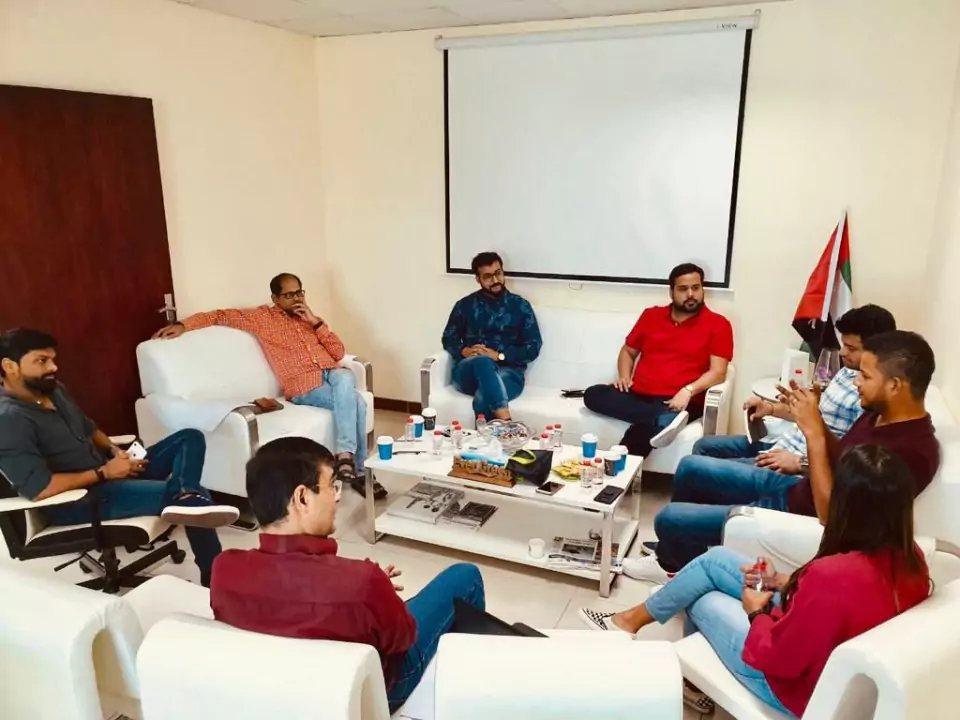
A Mastermind is a peer group meeting where a proposer presents a problem or issue that requires a workable solution. The problem impacts the proposer’s business or personal life and his self-efforts have not yielded a satisfactory solution. Mastermind can be within a group of friends, business associates, or members of a professional body. Running a Mastermind group may appear as easy as putting together people interested in taking and providing peer support, but my experience in organizing sessions and Mastermind groups leads me to believe that skill and perseverance is required to be a Master of the Mastermind. I share with you some pointers on running a Mastermind group. Curating the Right Set of Members It starts by curating the ideal set of people. People in a Mastermind have to be of complementing nature. It has to be a thoughtful mix of strategists, practitioners, dreamers and critics. While all have to be at a minimum level of experience and education, it is important that the group dynamics encourage trust and transparency. Maintaining Attendance Getting the members to attend the Mastermind is the foremost challenge. While the group is always willing to work on the problem of their co-member, other important matters on the day of the Mastermind keep people from attending. The facilitator needs to stay in touch with the members and devise ways to ensure a good turnout. A Mastermind needs to have a quorum of at least 5 to make it a meaningful exercise. Getting the Right Brief The problem statement has to be clearly defined and presented to the group. A bottleneck to some might have an obvious solution if the problem is not stated in the right manner. A facilitator role is to guide the proposer to layout the full facts and help the group understand the situation before delving into a discussion. Keeping the Spirits High A seemingly impossible issue or the doggedness of the proposer may wear down the group. At times the energy may get diffused by divergent or tangential directions. The facilitator needs to watch the energy levels of every member keep their attention to the problem. Challenging the Belief In a Mastermind, the role of the facilitator is to conduct the meeting but when I facilitate the peer group proceedings I rely on my training as an NLP trainer and coaching skills to challenge the beliefs and posits of the proposer and the participants. I help the group to unravel their hidden power to think laterally and evolve an innovative solution to the problem. Bettering the Solution And finally, a facilitator helps to dovetail to a more agreeable and practical solution. Prodding the members to fine-tune the solution brings out a better outcome than just being a passive observer. What do you think? Are you part of a Mastermind? Share your experience by adding comments to this article. If you are interested to join or learn more about the Mastermind groups I manage, give me a call.
Curating the Right Set

A Mastermind Group has spectacular benefits which are derived from a multiple factors most important of them being the constituents of the group. The caliber, conviction and compassion of individual members in the group bring about the outcomes that we desire. As a Master of Mastermind, my foremost responsibility is to ensure the right composition of the group. Keeping in mind key considerations help in identifying and engaging with the right set of members. VocationExperienceTimeOrientation Vocation The group must consist of members from a diverse set of professions operating under comparable economic conditions and stature. Diversity works in two ways, for one it gives a wider perspective and secondly avoids conflict of interest. Experience Each member must have sufficient experience to be able to make a useful contribution. It will help to have younger members that bring a fresh perspective and senior members that have a mature outlook. A balanced mix adds value and helps get a superior solution and different perspectives. The right variance in experience will retain a balance of fresh as well as mature views. Time Participation requires attendance and time. Attention during meeting is important but members must have the time to devote to Mastermind meetings. Experience, qualification, innovation are cherished only if there is time available to attend and participate till the end. A minimum time commitment is a very essential element while considering a member. Orientation All members must share a common orientation that motivates helping each other. Shared beliefs in solving other’s problem with empathy and patience are key to a success of the group. Member’s posing problems must have an open mind and willingness to adopt solutions, and must be willing to share confidential information with the group. In groups where members are aligned with the common purpose of helping each other function longer. We do get many applications and though we know that a Mastermind will be helpful to the applicants, we apply these parameters while evaluating the fit in a particular group. They may not be suitable for the group they are applying to, but perhaps another group may suit them better. The factors mentioned above help in making the right decision.
How Accountability Helps You Grow
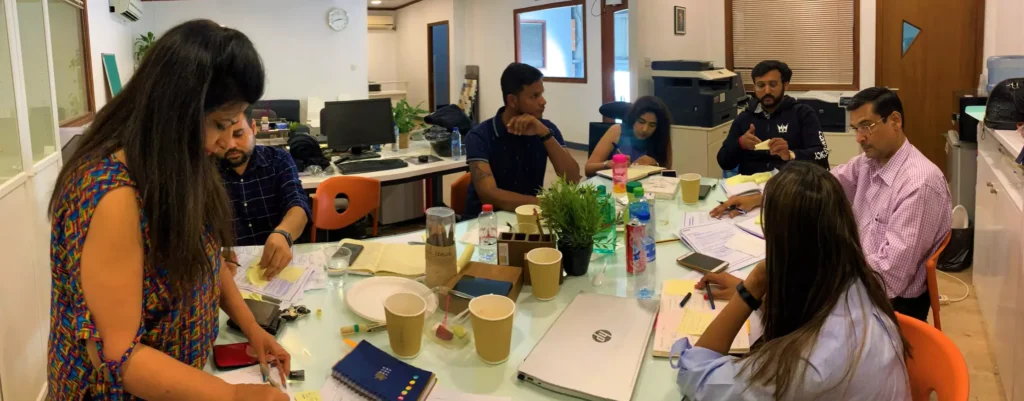
At Oxygen Mastermind Group, we firmly believe in the power of Accountability and its Impact! What is Accountability? We perceive the powerful concept “Accountability” as a responsibility in multiple ways. Accountability is being responsible for being truthful to yourself and your accountable partner as well as being responsible for taking action, reporting to your partners & getting feedback from them on a consistent and scheduled manner. Accountability helps you get clear on the specifics of your business/personal goals and how to get where you want to be. Why Accountability? The prime motive behind an accountable partner is that at some point in time we all get into our own comfort zones and become complacent, where we stop pushing our boundaries and that’s where the accountable partners come into place, because they push you How does Accountability work? Accountability works different for different people. here are few steps that will help you: Remember, being accountable is your responsibility not your partners. You need to take 100% responsibility for reporting to your accountable partner. Who can be Your Accountable Partner? Your accountable partner could be someone who you have a well-built rapport with, someone you trust with consideration that the person pushes you and breaks your limiting beliefs. What if you are 100% accountable? If you use accountability appropriately then the outcome will surprise you. You will see a massive growth in your professional and personal life. It will leave you in awe because it will help you put your plans in action, get things done in an orderly manner, and most importantly, help you go to next level! At Oxygen Mastermind we pay heavy emphasis on Accountability. To be part of this community feel free to write to us
What Is the 12 Week Year?

The 12-Week Year is a transformative productivity concept that condenses a year’s worth of goals into 12-week cycles. Its importance lies in its ability to enhance focus, accountability, and results. By shortening the traditional annual planning horizon, it compels individuals and organizations to act with greater urgency and precision. Here’s why it’s important: 1. Sharper Focus: The 12-Week Year forces you to prioritize and set specific, achievable goals for a shorter timeframe. This heightened focus reduces distractions and helps maintain clarity on what truly matters. 2. Increased Accountability: With frequent goal check-ins and performance tracking, accountability becomes a natural part of the process. This ensures you stay on course and take ownership of your progress. 3. Adaptability: In a rapidly changing world, the 12-Week Year promotes agility. You can adjust your goals and strategies more frequently, responding effectively to shifting circumstances and opportunities. 4. Motivation: The shorter time frame creates a sense of urgency and momentum. Achieving smaller milestones every 12 weeks can boost motivation and morale, leading to sustained productivity. 5. Measurable Progress: Frequent evaluation of progress helps identify what’s working and what isn’t. This data-driven approach enables continuous improvement. 6. Reduced Procrastination: Knowing that your goals are time-bound can discourage procrastination. There’s no room for “I’ll do it later” when you’re on a 12-week deadline. 7. Better Work-Life Balance: By working intensely for 12 weeks and then taking a planned break, you can prevent burnout and maintain a healthier work-life balance. In summary, the 12-Week Year is important because it revolutionizes traditional goal setting and execution. It fosters a results-driven mindset, adaptability, and a sense of achievement in a shorter time frame, ultimately leading to improved productivity and personal or organizational growth.
What Is Net Promoter Score (NPS)?
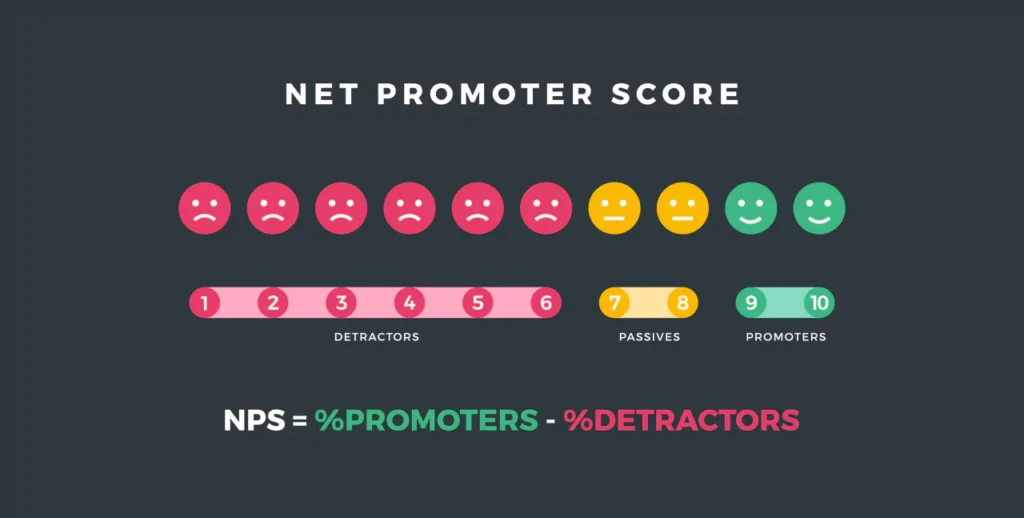
What Is Net Promoter Score (NPS) Net Promoter Score (NPS) is a widely used metric and methodology for measuring customer loyalty and gauging customer satisfaction. It was introduced by Fred Reichheld in 2003 through his Harvard Business Review article, “The One Number You Need to Grow.” NPS is widely adopted in various industries as a simple yet effective way to assess and track customer sentiment. Here’s how NPS works: Survey Question: NPS is typically gathered through a single survey question, which asks customers the following: “On a scale of 0 to 10, how likely are you to recommend our [product/service/company] to a friend or colleague?” Respondents rate their likelihood on this 0-10 scale, with 0 being “Not at all likely” and 10 being “Extremely likely.” Categorizing Respondents: Calculating the NPS Score: To calculate the NPS score, subtract the percentage of Detractors from the percentage of Promoters: NPS = Percentage of Promoters – Percentage of Detractors. The resulting NPS score can range from -100 to +100. Interpreting the NPS Score: NPS is valuable for businesses because it provides a clear and easily comparable metric to assess customer sentiment over time. It not only measures customer satisfaction but also helps identify areas for improvement and informs strategic decisions aimed at enhancing the customer experience. Net Promoter Score (NPS) is important for several reasons: Remember that NPS is just one part of your customer feedback strategy. It’s valuable when combined with other feedback mechanisms to get a comprehensive understanding of customer satisfaction and loyalty.
Instant vs Delayed Gratification

Every time I come across these words – it always reminds me of Instant coffee making and the normal coffee making. and they both have their way and impacting on our habits Instant gratification and delayed gratification represent two different approaches to the timing of rewards and satisfaction Instant Gratification: This approach prioritizes immediate rewards and pleasures. Individuals who seek instant gratification prefer to enjoy the benefits or pleasures of a decision or action right away, even if it means sacrificing long-term goals or facing potential negative consequences later. Delayed Gratification: This approach involves the willingness to wait for larger, more significant rewards or benefits in the future. People who practice delayed gratification are willing to endure short-term discomfort or delay immediate rewards in favor of achieving long-term goals or obtaining more substantial benefits. The importance of instant gratification versus delayed gratification depends on various factors and contexts: Instant Gratification: However, excessive reliance on instant gratification can lead to several drawbacks: Delayed Gratification: The importance of delayed gratification is often emphasized in personal finance, education, and long-term goal achievement. For example, saving money, investing for the future, pursuing higher education, and maintaining a healthy lifestyle often require patience and the ability to delay immediate rewards for greater long-term gains. In summary, both instant gratification and delayed gratification have their place in life, and their importance depends on the specific circumstances and goals. Striking a balance between the two is often advisable. While it’s essential to enjoy life’s pleasures and satisfy immediate needs, practicing delayed gratification can lead to more significant achievements, financial stability, and personal growth in the long run. The key is finding the right balance that aligns with your values and objectives.
What Is a Minimal Viable Product (MVP)?
So this is my understanding about Motivation and discipline Motivation is doing things when you want to. Discipline is doing the same things even when you don’t want to But lets try to understand both the concepts in detail Motivation: Discipline: The question of which is more important, motivation or discipline, This is too subjective and context-dependent. Both have their own significance: In practice, motivation often fluctuates, and it’s not always possible to rely on it to sustain your efforts. Discipline, on the other hand, acts as a reliable and consistent force that keeps you on track, whether you’re motivated or not The key to achieving success is finding a balance between motivation and discipline. Use motivation to initiate actions and set goals, and rely on discipline to maintain progress and persevere when motivation inevitably fades. Both are valuable, and their importance depends on the stage of your journey and the nature of your goals