
What Is Net Promoter Score (NPS)?
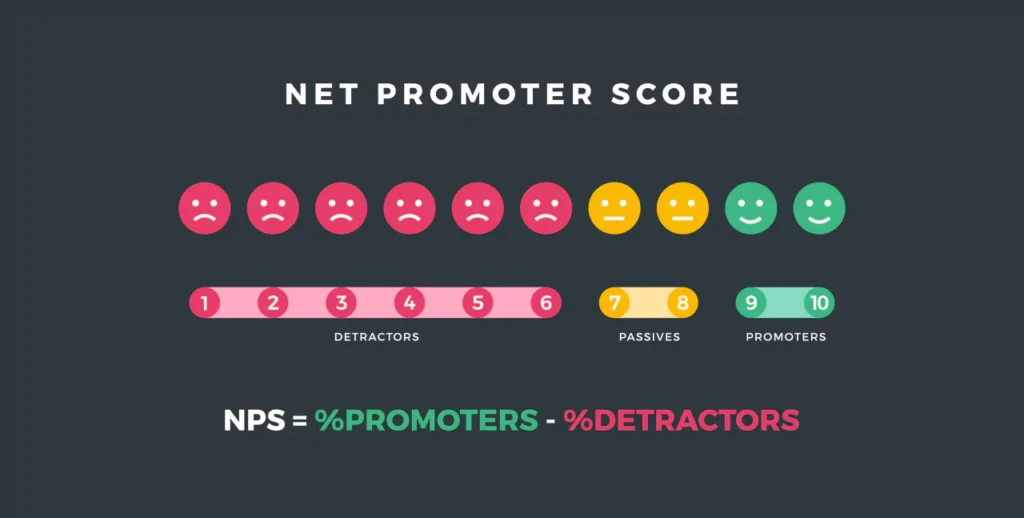
What Is Net Promoter Score (NPS) Net Promoter Score (NPS) is a widely used metric and methodology for measuring customer loyalty and gauging customer satisfaction. It was introduced by Fred Reichheld in 2003 through his Harvard Business Review article, “The One Number You Need to Grow.” NPS is widely adopted in various industries as a simple yet effective way to assess and track customer sentiment. Here’s how NPS works: Survey Question: NPS is typically gathered through a single survey question, which asks customers the following: “On a scale of 0 to 10, how likely are you to recommend our [product/service/company] to a friend or colleague?” Respondents rate their likelihood on this 0-10 scale, with 0 being “Not at all likely” and 10 being “Extremely likely.” Categorizing Respondents: Calculating the NPS Score: To calculate the NPS score, subtract the percentage of Detractors from the percentage of Promoters: NPS = Percentage of Promoters – Percentage of Detractors. The resulting NPS score can range from -100 to +100. Interpreting the NPS Score: NPS is valuable for businesses because it provides a clear and easily comparable metric to assess customer sentiment over time. It not only measures customer satisfaction but also helps identify areas for improvement and informs strategic decisions aimed at enhancing the customer experience. Net Promoter Score (NPS) is important for several reasons: Remember that NPS is just one part of your customer feedback strategy. It’s valuable when combined with other feedback mechanisms to get a comprehensive understanding of customer satisfaction and loyalty.
Instant vs Delayed Gratification

Every time I come across these words – it always reminds me of Instant coffee making and the normal coffee making. and they both have their way and impacting on our habits Instant gratification and delayed gratification represent two different approaches to the timing of rewards and satisfaction Instant Gratification: This approach prioritizes immediate rewards and pleasures. Individuals who seek instant gratification prefer to enjoy the benefits or pleasures of a decision or action right away, even if it means sacrificing long-term goals or facing potential negative consequences later. Delayed Gratification: This approach involves the willingness to wait for larger, more significant rewards or benefits in the future. People who practice delayed gratification are willing to endure short-term discomfort or delay immediate rewards in favor of achieving long-term goals or obtaining more substantial benefits. The importance of instant gratification versus delayed gratification depends on various factors and contexts: Instant Gratification: However, excessive reliance on instant gratification can lead to several drawbacks: Delayed Gratification: The importance of delayed gratification is often emphasized in personal finance, education, and long-term goal achievement. For example, saving money, investing for the future, pursuing higher education, and maintaining a healthy lifestyle often require patience and the ability to delay immediate rewards for greater long-term gains. In summary, both instant gratification and delayed gratification have their place in life, and their importance depends on the specific circumstances and goals. Striking a balance between the two is often advisable. While it’s essential to enjoy life’s pleasures and satisfy immediate needs, practicing delayed gratification can lead to more significant achievements, financial stability, and personal growth in the long run. The key is finding the right balance that aligns with your values and objectives.
What Is a Minimal Viable Product (MVP)?

So this is my understanding about Motivation and discipline Motivation is doing things when you want to. Discipline is doing the same things even when you don’t want to But lets try to understand both the concepts in detail Motivation: Discipline: The question of which is more important, motivation or discipline, This is too subjective and context-dependent. Both have their own significance: In practice, motivation often fluctuates, and it’s not always possible to rely on it to sustain your efforts. Discipline, on the other hand, acts as a reliable and consistent force that keeps you on track, whether you’re motivated or not The key to achieving success is finding a balance between motivation and discipline. Use motivation to initiate actions and set goals, and rely on discipline to maintain progress and persevere when motivation inevitably fades. Both are valuable, and their importance depends on the stage of your journey and the nature of your goals
Motivation vs Discipline

So this is my understanding about Motivation and discipline Motivation is doing things when you want to. Discipline is doing the same things even when you don’t want to But lets try to understand both the concepts in detail Motivation: Discipline: The question of which is more important, motivation or discipline, This is too subjective and context-dependent. Both have their own significance: In practice, motivation often fluctuates, and it’s not always possible to rely on it to sustain your efforts. Discipline, on the other hand, acts as a reliable and consistent force that keeps you on track, whether you’re motivated or not The key to achieving success is finding a balance between motivation and discipline. Use motivation to initiate actions and set goals, and rely on discipline to maintain progress and persevere when motivation inevitably fades. Both are valuable, and their importance depends on the stage of your journey and the nature of your goals
Sales Techniques – The Switches

Recently, I again stumbled upon the Switches techniques in Sales. I am sure you must have heard about it too. These always serves as a good refresher for all the Sales people out there Having a solid Sales strategy is very important and ensuring that you are consistently addressing these points. What ‘Switch’ do you usually use and which one you struggle with. Let me know in your comments
Leading vs Lagging Indicators
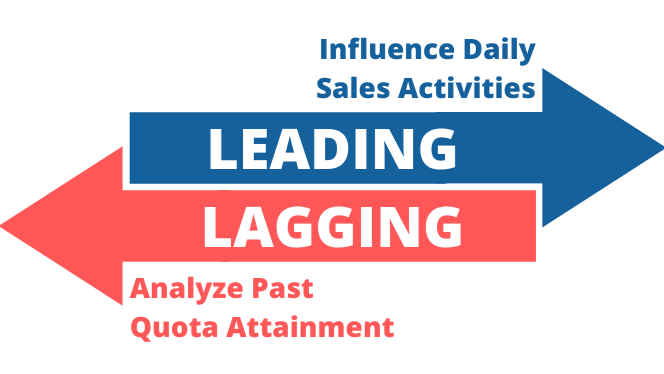
Lagging Indicators and Leading Indicators are two types of metrics used in business to evaluate performance and predict future outcomes. Understanding and utilizing these indicators is essential for effective management and decision-making for an Entrepreneur What is Lagging Indicators – Lagging indicators are metrics that reflect the outcomes of past actions or performance. They show what has already happened and are often used to confirm trends. Since they measure past performance, they are typically easier to measure and report Why are they important – They are crucial for understanding whether past efforts have met the objectives or goals. While lagging indicators are valuable for assessing the effectiveness of strategies, they do not provide insights into future performance Examples of Lagging indicators What is Leading Indicators –Leading indicators are predictive metrics that provide early signals about future performance. They are forward-looking and can help identify potential opportunities or risks before they fully materialize Why are they important – Leading indicators are essential for proactive management. By monitoring these metrics, businesses can adjust strategies and operations to influence future outcomes, potentially avoiding problems or capitalizing on opportunities Examples of Leading indicators Why are they important for Business By combining the insights from both leading and lagging indicators, businesses can create a more balanced and comprehensive approach to performance management and strategic planning Do you have a list of Leading and Lagging indicators that you have been tracking in your business – feel free to share your points