
The Success Gap: Why Schools Aren’t Teaching the Skills Your Teen Needs Most

For years, people believed if you studied hard and got good grades, success would just fall into place. But the world today doesn’t play by those old rules. Jobs pop up and disappear faster than ever, thanks to new tech shaking up every industry you can think of. Teenagers are heading toward careers that don’t even exist yet. Still, most schools stick to the old ways, drilling students to memorize facts and ace exams, as if that’s the only thing that matters. But now, parents in Dubai and across the UAE are starting to see things differently. They’re realizing that getting top marks isn’t a guaranteed ticket to making it in the real world anymore. Today’s economy values a whole new set of skills—things like communication, adaptability, leadership, creativity, and resilience. These are what really help young people handle uncertainty, launch their own projects, lead others, and actually enjoy what they do for work. But here’s the problem: most schools just don’t teach these skills. So, there’s this growing “success gap” that a lot of parents and teachers talk about. It’s the space between what schools focus on and what teenagers actually need to succeed out there in the real world. That’s where programs like Teens Mastermind step in. They focus on leadership, financial know-how, and an entrepreneurial way of thinking, so young people are ready for whatever comes next. The Problem with the Traditional Education Model Schools deliver structured educational programs that teach students essential knowledge and basic skills. The design of most educational systems originated from a time when people believed that career paths would remain stable throughout their lives. Educational systems prepared students for stable employment in traditional work fields. The main factors that determined success were a student’s ability to follow instructions and their performance on standardized assessments. The current environment has experienced a complete transformation from its previous state. Employers now consider problem-solving skills and adaptability and leadership abilities and creativity to be equal to academic credentials. Entrepreneurs are starting their businesses when they reach their early twenties or even before that time. Despite these changes, many schools still emphasize: The challenges which students experience after finishing school are created by their educational priorities. Parents discover this truth when their children enter their final high school years while still lacking essential decision-making and leadership and financial skills. The Skills That Matter Most in the Real World When business leaders talk about the qualities they look for in future professionals, their answers are remarkably consistent. The business leaders require people who demonstrate effective communication abilities, emotional intelligence skills, leadership potential and strong resilience abilities. The skills which people commonly refer to as soft skills actually represent essential abilities which young people should acquire. The ability to communicate ideas with confidence and work effectively with others while overcoming challenges through resilience gives teenagers a major advantage in academic and professional settings. Programs like Teens Mastermind exist because they recognize the need for students to develop emotional intelligence and leadership skills which traditional classroom settings do not teach. The skills enable young people to advance their academic achievements while developing the essential mindset required for success in the real world. Why Youth Leadership Development Matters Young people who get leadership training on will get better at knowing what they’re well, at and making smart choices. They learn to work with others solve problems and take responsibility for their actions. Dubai needs this kind of partnership because its economy depends on coming up with creative ideas that keep up with the city’s fast changes. Dubai’s youth leadership programs teach teenagers the skills they need to succeed in markets and build their confidence and motivation. The teenage years are a time when young people develop the skills, they need to achieve their goals and become leaders. Young people. Grow during this period and leadership training helps them build on their strengths. Dubai’s future depends on its young people being prepared to take on challenges and make a positive impact. Financial Literacy for Teens: A Missing Piece of Education The traditional educational system shows a significant deficiency because it fails to teach students essential financial literacy skills. The majority of teenagers who complete their education do so without any financial comprehension of how money functions. The students will remain unaware of budgeting techniques and investment practices and credit management and business revenue generation methods until they receive proper financial education. The absence of financial education results in harmful effects that persist throughout a person’s existence. Young adults who lack basic financial knowledge face difficulties with both their spending patterns and their investment choices and their ability to manage debt. Financial literacy education for teenagers who start learning at an early age establishes a new path for their future development. The process of learning about money movement between businesses and financial investments and personal finance enables teenagers to develop new future-oriented thinking patterns. The students learn to appreciate the value of saving money while understanding how their financial choices need to be made and what business opportunities entrepreneurship will bring them. The students develop a new perspective which enables them to see themselves as people who can achieve financial independence through their own efforts. The Power of an Entrepreneurial Mindset for Students People believe that entrepreneurship means starting a new business. The entrepreneurial mindset extends beyond business ownership to its entirety. The ability to learn through failures and work with problems arises from human curiosity and proactive behavior. The entrepreneurial mindset enables students to ask superior questions. Students learn to explore new ideas by developing comfort with testing different hypotheses and making errors. The leadership development programs together with entrepreneurship training programs develop resilience in participants through their provision of actual challenging situations to tackle. Teenagers develop skills in presenting their ideas and working together with others and solving issues and handling unexpected situations. The combination of these experiences helps people develop both self-assurance and emotional resilience. How Teens Mastermind Bridges
The CEO Shadow Board: Why Top-Tier Leaders Never Make Decisions Alone

Leadership often feels unexpectedly isolated. Out there, chief executives seem to call all the shots. Strategy bends to their vision, company values echo their choices, yet what they rarely show is how lonely it gets at the top. Talk freely? Not so much once titles grow heavier. The climb brings power – also silence. Fewer voices stay honest when rank looms large. Big choices bring big results. One smart step might shift profits, shake how investors feel, or change where a company stands years later. When it hits that point, seasoned leaders know: banking solely on personal insight? That’s playing with fire. Most high-level leaders gather in a group known as a “CEO Shadow Board.” Not a formal board or company panel. This is a close network of experienced people who test thinking, bring fresh angles, their role kicks in just before big choices take shape. At the top levels in Dubai and the UAE, more leaders are turning to small gatherings of fellow CEOs and private circles. Not meetings run by consultants, but conversations among those who’ve faced similar pressures. What they gain isn’t strategy templates or flashy frameworks – it’s something rarer up there: real talk from people who’ve been in the room. When choices carry heavy consequences, a single insight from someone who’s lived it can shift everything. Distance grows between peers as titles rise, making these moments even more critical. Why CEOs Need a Shadow Board The leader of a company gets new responsibilities which differ from their previous responsibilities. Most professionals start their careers by working in teams which provide them with both feedback and guidance. Executives who reach higher levels of leadership experience a decrease in the number of people who can challenge their thoughts. Employees may hesitate to question leadership decisions. Board members meet only for their scheduled meetings. Advisors usually do not possess knowledge about the daily activities of the organization. The result is a leadership gap that few people talk about: strategic isolation. The isolation creates challenges during the process of making critical decisions. The best executives develop blind spots which remain hidden from their view. Major strategic decisions become affected by hidden blind spots which exist without external verification. A CEO Shadow Board helps solve this problem by creating a group of experienced peers who provide candid feedback and informed perspective. The peers do not work for the organization. The peers do not share any common interests with one another. They are fellow leaders who understand the pressures of executive leadership and are able to discuss complex decisions with clarity and honesty. High-Stakes Decisions Require Multiple Perspectives The contemporary business world operates at a rapid pace. Companies must adjust their operations because markets undergo immediate changes and technological advancements occur at a fast pace while international rivals create new competitive challenges. CEOs need to make decisions about growing their businesses through mergers and acquisitions or business restructuring or changing their strategic direction. The decisions which executives make at their organization face unknown outcomes. Research on executive decision making consistently shows that leaders who rely on diverse perspectives make stronger strategic choices. The decision-making process reaches higher accuracy when decision-makers evaluate multiple perspectives from experienced professionals. This situation applies mainly to organizations that face expansion efforts or handle complex business environments such as the UAE market. A CEO who surrounds themselves with a trusted group of peers gains access to a range of insights that would otherwise be unavailable. Executives evaluate their decision-making process by testing their ideas within a group of experienced leaders who understand how to handle similar obstacles. The structured CEO peer groups in the UAE area provide exceptional value to organizations which need to pursue business growth. The Rise of CEO Peer Groups in the UAE Dubai and the entire United Arab Emirates have transformed into one of the most active business centers in the world. The region supports a unique business environment that enables entrepreneurs and investors and executives from different countries to work together which creates new business possibilities. The process of rapid growth creates challenging situations for organizations. Middle Eastern companies which expand into European and Asian markets must engage in strategic decision-making which demands efficient executive leadership. Executives now prefer structured settings which enable them to interact with fellow executives who hold equivalent positions. CEO peer groups have gained popularity among business leaders who operate in the United Arab Emirates. Peer groups establish their foundation through confidentiality and trust which distinguishes them from conventional networking events. Members of the group gather on a regular basis to address actual challenges which leaders face together with their long-term objectives and essential choices. The public business forums do not provide the opportunities to discover valuable insights which emerge during these discussions. The peer group functions as an external strategic council for many CEOs. Understanding the CEO Shadow Board Concept A Shadow Board is not about replacing leadership authority. The CEO still makes the final decision. The concept requires executives to develop their thinking abilities before they make their decisions. A CEO establishes a major strategic direction through three activities which include entering a new international market and restructuring a leadership team and launching a high-risk initiative. The CEO presents the situation to their peers before they decide to proceed. Members of the trusted circle ask questions while they identify risks and share their personal experiences. The discussion sometimes confirms the CEO’s strategic plan but it also shows new chances and dangers which were not seen before. The process changes decision making from an individual activity into a united strategic discussion. Executives who manage complex organizations will achieve better results when they gain this level of understanding. The Role of Elite Executive Coaching Executives need structured leadership development programs according to chief executive officers who value peer feedback. Executive coaching services provide essential support to organizations through their professional training process. The executive coaching process enables leaders to develop their decision-making skills through improved mental models. Coaches assist executives in recognizing their cognitive biases while they build their strategic thinking skills and leadership behaviors which promote sustained success. The combination of coaching and peer advisory groups creates an effective environment for personal development. The coach delivers both organized support and methods for developing leadership skills. The peer group delivers actual workplace knowledge
Beyond the Solopreneur: Why Every Founder Needs a Strategic Brain Trust

Across Dubai and the UAE, many founders reach the same conclusion: scaling a business requires more than individual effort. It needs perspective, accountability, and access to people who have faced similar challenges. This is exactly why an Entrepreneur’s Mastermind has become such a powerful tool for founders who want real growth. At Oxygen Mastermind, we often meet entrepreneurs who have built successful businesses on their own, but get stuck when it comes to reaching higher levels. Rarely is the problem motivation; More often than not, it’s not motivation but isolation. And isolation is the enemy of strategic growth. The Reality of the Solopreneur Ceiling In the beginning, solopreneurs move quickly because there are no committees, no long decision processes, and no external pressure. You test ideas. You pivot fast. You make things happen. At some point, things shift. The business gets bigger, the to-do list explodes, and suddenly, every choice feels tangled up with five others. The founder isn’t just running the show anymore – they’re leading the team, figuring out marketing, hiring new people, crunching numbers, and keeping clients happy, all at the same time. That’s when everything starts to drag. Lots of founders talk about hitting a wall they can’t quite see. Revenue just stalls. Every new opportunity feels murky, and decisions get heavier, like you’re carrying extra weight with every step. This is called the solopreneur ceiling. It doesn’t happen because you’re not good enough. It happens because you can only see so much on your own. Even the sharpest founders can’t catch every detail by themselves. Why Entrepreneurs Need Other Entrepreneurs Most top founders do not work alone. Check fast-growing startups across regions – patterns show up. Almost always, strong support circles shape major choices. Friends, guides, experienced voices – they quietly steer direction. Here’s what makes an Entrepreneur’s Mastermind click. Picture a tight-knit gathering of founders swapping hard-won lessons, pushing one another’s ideas through tough questions, then working out actual business hurdles together. The conversations go deeper than traditional networking. Instead of exchanging surface-level introductions, members discuss things like: For someone trying to accelerate strategic business growth, this kind of environment is invaluable. You’re not just getting advice. You’re gaining access to collective entrepreneurial experience. Founder Networking in Dubai Is Evolving Dubai’s business scene isn’t what it used to be. In just ten years, the city turned into a global hotspot for entrepreneurs. You see tech startups everywhere, consulting firms popping up, creative agencies doing their thing, and e-commerce brands growing fast. Service businesses? They’re everywhere, too. With all this energy, connecting with other founders in Dubai matters more than ever. Still, there’s a big difference between just “networking” and actually building real relationships. Most networking events feel the same: lots of quick introductions, some business card swapping, and then everyone moves on. Mastermind groups take a different approach. They’re all about building relationships that last, not just quick chats. People stick around, get to know each other, and build trust. That trust opens the door for honest feedback and sharing real business struggles. And honestly, that’s where the magic happens for entrepreneurs looking to grow; these mastermind groups give you the kind of connection you can’t find at a typical networking event. The Moment Every Founder Must Face At some point, every entrepreneur faces the same uncomfortable question: “Am I still building this business the way I did in year one?” If the answer is yes, that’s usually a problem. When a company starts to grow, everything changes. Founders can’t keep doing everything by themselves – they need to build teams, set up systems, and start thinking strategically. That leap, moving from hands-on operator to big-picture strategist, isn’t easy to pull off on your own. Scaling a Business Requires Better Decisions People don’t talk enough about how mastermind groups actually boost the quality of your decisions. Entrepreneurs face a ton of big choices every month, hiring new leaders, breaking into new markets, reorganizing teams, launching fresh products, or just knowing when to walk away from something. If you’re running the show alone, every call you make comes from your own head. But once you’re in a mastermind with other founders, everything changes. Suddenly, you’ve got a room full of smart people poking holes in your ideas before you act on them. They ask the questions you probably missed. Sometimes, those questions save you from expensive screw-ups. Other times, someone points out a golden opportunity you just didn’t see. Keep showing up, and your thinking gets sharper. You lead better. And yeah, when you’re building something big, making smarter decisions over and over, those wins start to add up fast. Accountability Changes Everything Plenty of founders understand how growth works. Yet staying on track trips them up more than anything else. Running everything alone means long-term thinking often drowns in daily chaos. Big moves fade into background noise when urgent tasks take center stage. Here’s when mastermind circles show up. These gatherings offer what solo effort misses – actual responsibility. Each person names their targets, then shares progress with others. Now there are faces waiting to hear what happened, which shifts the whole situation. A quiet push forms when someone else knows your plan. Founders move forward when they sense eyes on them, not just drifting by. Simple? Yes. Effective? Every time. The Mentorship Advantage Founders join mastermind communities for a lot of reasons, but mentorship is a big one. The best entrepreneurs never really stop learning. Actually, a lot of them go out of their way to find spaces where they can keep pushing themselves and pick up new skills. Inside an Entrepreneur’s Mastermind, members get to learn straight from people who’ve already built and grown companies. The advice they share isn’t just theory, it’s stuff they learned the hard way, from real choices and tough situations. For founders dealing with fast growth in places like Dubai, that kind of first-hand experience can mean the difference between just getting by and really taking off. Why Oxygen Mastermind Exists Founders show up when they’re ready to move beyond small talk. This place? It runs on depth, not deals. Think sharp talks, chosen carefully – no crowds, no noise. Growth happens quietly, among those already pushing hard. Mentorship slips in naturally, between peers who’ve faced similar walls. Success here means being seen, really, by people who don’t need explanations. Meetings feel different because everyone arrived through the same storm A different view opens up when you step into spaces where others in Dubai and the UAE are pushing limits. This spot does not
OMC Anniversary(27th July, 4pm Onwards)
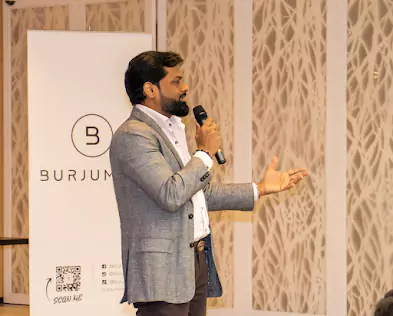
Sufi Night(7th June)

Cross Chapter Socials(23rd May)
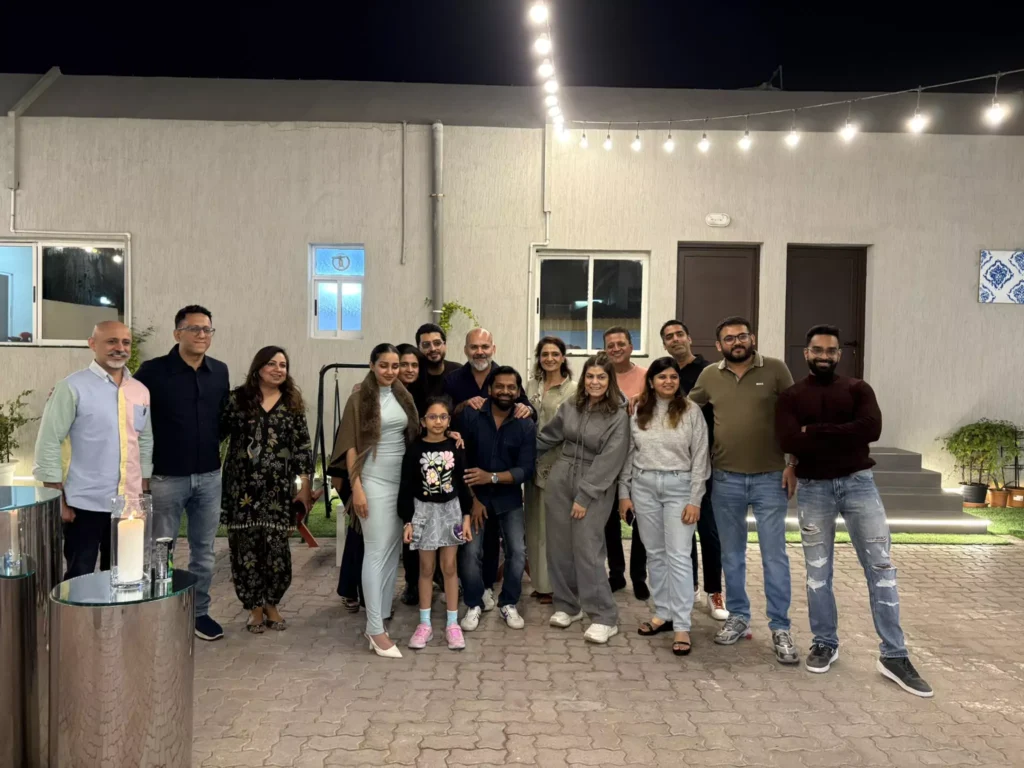
Doha Business Visit

Sales Techniques: Understanding the Switches
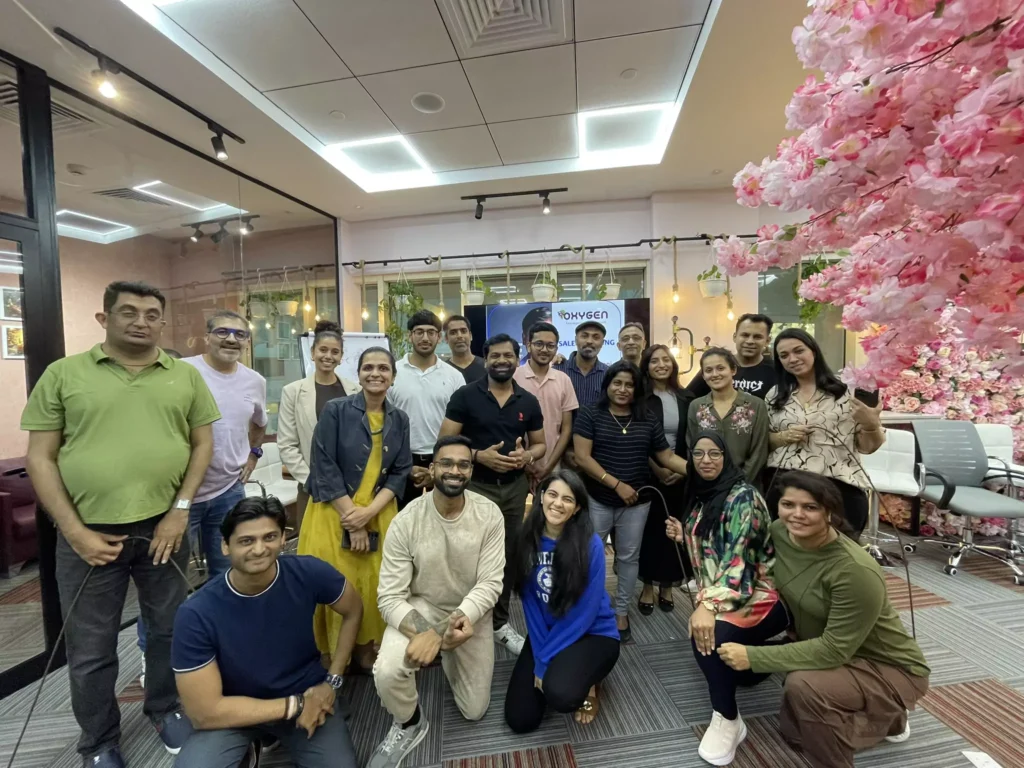
Iftar Learning Event
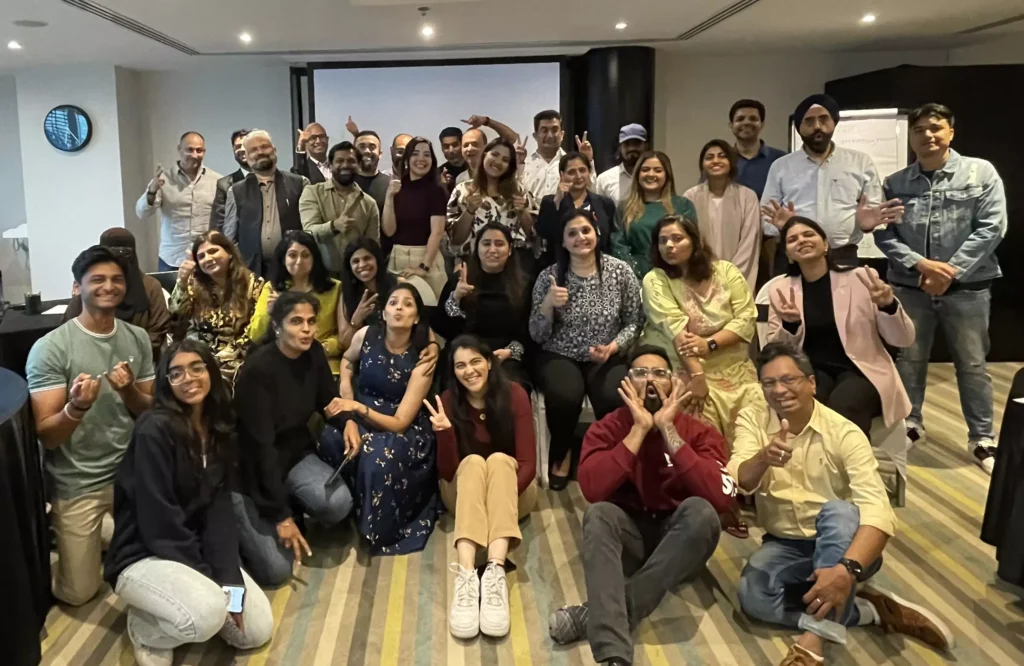
Iftar Distribution(16th March)
